

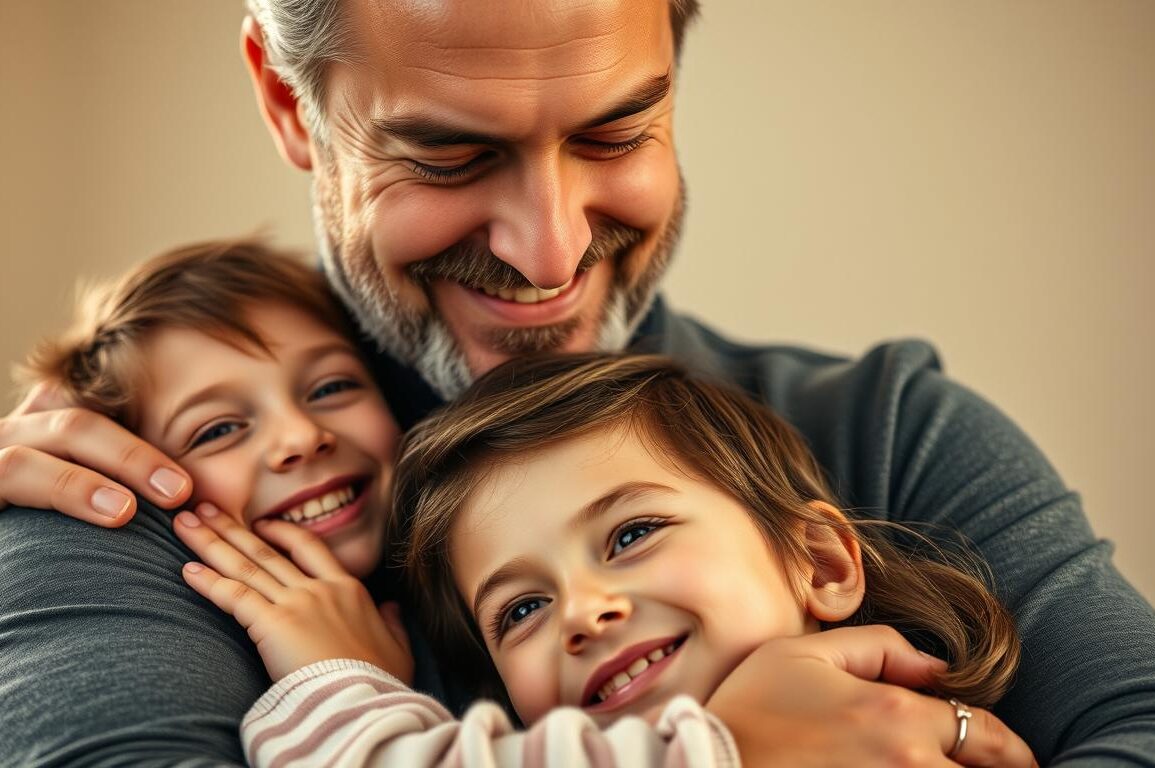

There’s a powerful saying: “To a girl, a father is her first love. To a boy, a father is his first hero.” These words capture the unique bond between parents and children, shaping how young minds view relationships and courage. Fathers hold a special place in families worldwide—whether called Dad, Daddy, or Papi—their presence builds emotional foundations that last lifetimes.
This dynamic creates a blueprint for daughters learning about trust and affection, while sons discover strength through guidance. Through these roles, fathers become pillars of stability, offering comfort in tough moments and celebrating victories big and small. Their actions teach children how to navigate challenges long after childhood ends.
While no parent is perfect, fathers often carry an unspoken responsibility to model integrity. They show up with bedtime stories, scraped-knee bandages, and life advice whispered over shared ice cream. These everyday moments create lasting imprints, influencing how kids approach friendships, careers, and their own future families.
Key Takeaways
- The famous quote highlights fathers’ dual roles as emotional anchors and role models
- Early father-child relationships shape perspectives on love and leadership
- Consistent presence builds security that impacts adult decision-making
- Life lessons from fathers often transcend verbal teaching through actions
- Father figures leave legacies that influence multiple generations
The Impact of a Dad’s Role in Shaping Lives
Strength isn’t just about lifting heavy objects—it’s about showing up when it matters most. Fathers build invisible scaffolding around their families, creating safe spaces where children learn to take risks and grow. Their steady hands mend broken toys and bruised confidence with equal care.
Unwavering Presence and Protection
From midnight feedings to college move-in days, a father’s role evolves while his commitment remains constant. He becomes the human shield during thunderstorms and the voice of reason during teenage drama. These moments of courage—both big and small—teach kids how to face the world with resilience.
Becoming a Pillar in the Family
True stability comes from actions, not titles. Fathers model perseverance by working late shifts or attending every soccer game despite exhaustion. As one grandfather wisely said: “Legacies aren’t built in grand gestures, but in the thousand tiny ways we choose to stay present.”
This quiet dedication shapes how family members approach their own challenges. Daughters internalize standards for how they deserve to be treated, while sons learn to lead with integrity. The relationship between father and child becomes a compass guiding future decisions.
Embracing dad a son’s first hero a daughter’s first love
A father’s influence quietly molds the architects of tomorrow’s world. Through everyday interactions, he demonstrates what strength and compassion look like in action. These lessons become invisible guideposts children reference long after childhood ends.
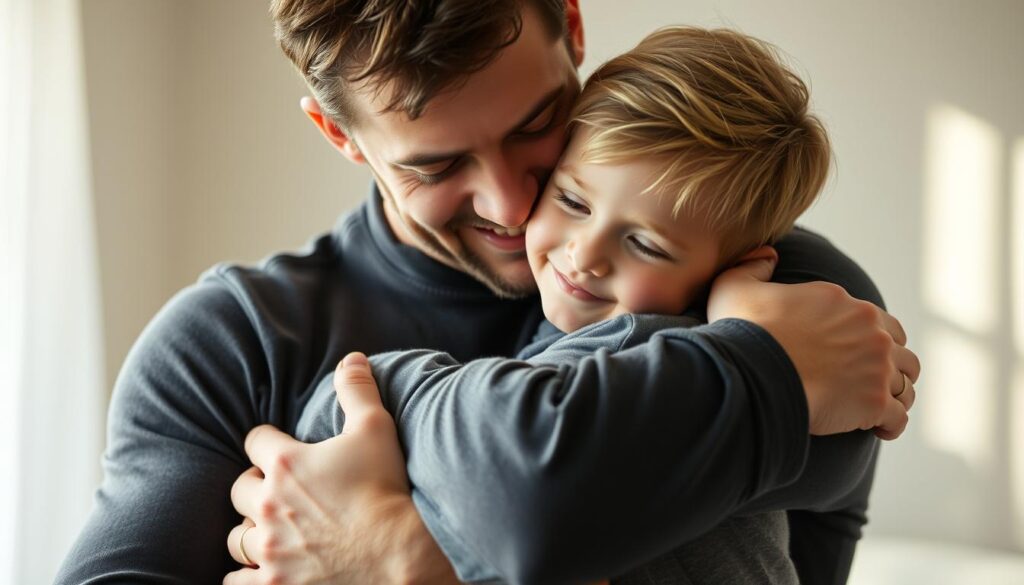
How Fathers Shape Young Heroes
Boys absorb their father’s behavior like sponges. When dads prioritize honesty over shortcuts or defend someone unfairly treated, sons learn heroic resolve isn’t about capes—it’s about character. One study found boys who witness consistent integrity are 73% more likely to intervene when others face injustice.
Cultivating Confidence in Daughters
Girls who receive genuine praise from their fathers develop unshakable self-worth. Noticing her clever problem-solving or kindness toward friends reinforces that true beauty shines from within. This foundation helps daughters recognize healthy love patterns later in life.
Actions Speak Louder Than Lectures
Children remember what parents do far more than what they say. A father who apologizes after losing his temper teaches emotional intelligence. One who helps neighbors without being asked models community responsibility. These lived values stick with kids like permanent ink.
Small moments build big legacies. Whether teaching bicycle balance or discussing friendship struggles, fathers create relationship templates their children will use forever. The time invested today becomes tomorrow’s compass.
Building Lasting Memories Through Family Traditions
Behind every meaningful tradition stands a story—Father’s Day began as one woman’s tribute to her Civil War veteran father. Sonora Smart Dodd campaigned in 1909 to create a day honoring paternal bonds, leading to Washington state’s first official celebration in 1910. This special day now reminds us to pause and appreciate the quiet heroes shaping family legacies worldwide.
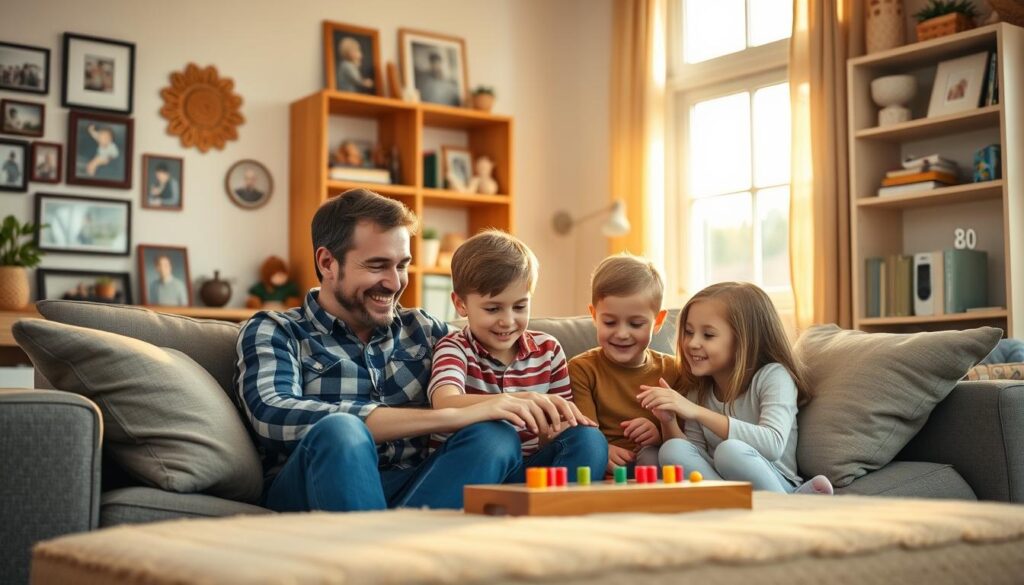
Cherished Moments on Father’s Day
Every third Sunday in June, families across 50+ countries celebrate with breakfasts in bed and handmade cards. But the best gifts often cost nothing—like sharing old fishing spots or revisiting childhood photos. These time-honored rituals strengthen bonds while creating new stories for future generations.
Everyday Acts of Love and Courage
True celebration happens between calendar dates. A father teaching his daughter to change tires builds courage. Helping his son write apology notes models accountability. As one grandfather chuckled: “Kids won’t remember your job title—they’ll remember who showed up.”
From bedtime stories to pep talks before big games, these routines become family heirlooms. They prove that while mothers and fathers parent differently, both leave fingerprints on a child’s heart. The laughter shared today becomes tomorrow’s guiding light.
Conclusion
“Any man can be a father, but it takes someone special to be a dad.” This timeless truth reminds us that fatherhood thrives through commitment, not just biology. Stepfathers who embrace children left behind, mentors who guide without blood ties, and men who lead with compassion—all prove family bonds grow from choice, not chance.

Great fathers build legacies through daily acts—coaching teams, fixing broken bikes, or listening without judgment. Their quiet strength shapes how children handle friendships, careers, and parenthood. Even after they’re gone, their values echo in family recipes, holiday traditions, and the way grandchildren say “please.”
In today’s complex world, kids need role models who balance courage with kindness. Whether biological or chosen, fathers who show up—messy haired and coffee-stained—teach life’s greatest lesson: love is a verb. Let’s celebrate every man nurturing tomorrow’s leaders, one bedtime story or bike ride at a time.
FAQ
How does a father’s role shape a child’s emotional growth?
A father’s consistent presence builds trust and security. By modeling resilience and kindness, he teaches life lessons that help children navigate challenges and form healthy relationships.
What are ways fathers inspire courage in their sons?
Through shared activities like sports or problem-solving, fathers show perseverance. Encouraging curiosity and celebrating effort—not just success—helps boys develop confidence and grit.
Why are family traditions important for bonding?
Rituals like weekend hikes or storytelling nights create shared memories. These moments reinforce connection and provide stability, which children carry into adulthood.
How can fathers support their daughters’ self-esteem?
Active listening and validating emotions help young girls feel valued. Celebrating their achievements and encouraging independence fosters inner strength and self-worth.
What everyday actions strengthen a father-child relationship?
Simple gestures—like leaving encouraging notes or cooking together—build trust. Consistency in small acts, such as bedtime routines, shows unwavering care over time.
Why is leading by example critical for fathers?
Children mirror behavior they observe. When fathers practice honesty, empathy, and accountability, they instill these values without needing to preach them.
How can fathers balance being a protector and a friend?
Setting boundaries with warmth creates safety. Sharing lighthearted moments, like inside jokes, balances guidance with approachability, deepening mutual respect.
What role do fathers play during tough times?
Staying calm under pressure teaches problem-solving. Openly discussing setbacks—and how to overcome them—prepares kids to face adversity with courage later in life.