

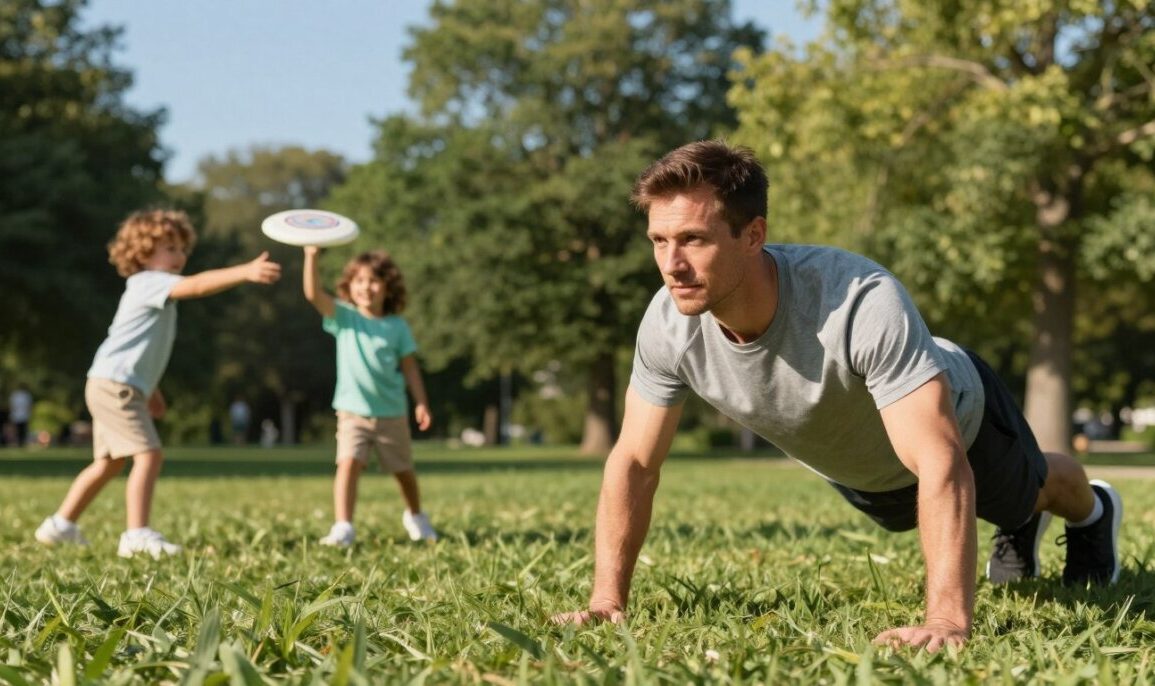

Being a dad is a rewarding experience, but it can be challenging to maintain an active lifestyle amidst the chaos of family responsibilities. However, staying physically active is crucial for dads to lead a healthy life and set a good example for their children.
Regular exercise can help dads boost their energy levels, improve mental health, and increase productivity. By incorporating simple workout routines into their daily schedule, dads can achieve a better work-life balance and be more present for their families.
Key Takeaways
- Staying active is crucial for dads’ overall health and wellbeing.
- Simple workout routines can be incorporated into a busy schedule.
- Regular exercise improves mental health and increases energy levels.
- Being a fit dad sets a positive example for children.
- A healthy lifestyle leads to a better work-life balance.
Why Fitness Matters for Busy Fathers
Being a busy dad doesn’t mean you have to sacrifice your health; in fact, prioritizing fitness is crucial for overall well-being. As fathers age, their health and fitness levels can significantly impact their ability to be active parents and role models for their children.
The Dad Bod Phenomenon: Myth vs. Reality
The term “dad bod” has become a colloquialism to describe the physical changes many fathers experience as they age. While some view it as a natural part of aging, others see it as a sign of neglecting one’s health. In reality, the “dad bod” can be a mix of both myth and reality, influenced by lifestyle choices and genetic factors.
Health Risks of Sedentary Parenting
A sedentary lifestyle can lead to numerous health risks, including obesity, diabetes, and cardiovascular diseases. Fathers who are less active are not only putting their health at risk but also potentially setting a bad example for their children.
| Health Risk | Description |
|---|---|
| Obesity | Excess body fat increases the risk of various diseases. |
| Diabetes | A condition characterized by high blood sugar levels. |
| Cardiovascular Diseases | Conditions affecting the heart and blood vessels. |
Setting a Positive Example for Your Kids
Fathers who prioritize fitness set a positive example for their children, teaching them the importance of physical activity and healthy living. By being active, dads can show their kids that exercise is a fun and integral part of daily life.
By making fitness a family affair, dads can:
- Encourage kids to be more active
- Improve family bonding through shared activities
- Create lasting healthy habits for the whole family
Fitness for Dads: Practical Approaches for Busy Schedules
Incorporating fitness into a busy schedule is possible with practical and adaptable workout routines. Busy dads can benefit from various strategies that fit into their daily lives, ensuring they stay active and healthy.
Early Morning Workout Routines
Starting the day with a workout can be incredibly beneficial. Early morning exercise can boost energy levels and set a positive tone for the day. A simple 30-minute morning routine can include a brisk walk, jogging, or bodyweight exercises like push-ups and squats.
Tip: Prepare your workout clothes and equipment the night before to save time in the morning.
Lunch Break Exercise Strategies
Utilizing lunch breaks for exercise is a great way to fit in a workout. Even a short 20-minute session can be effective. Consider activities like yoga, a quick gym session, or a brisk walk.
Example: Use a fitness app to guide you through a quick and effective workout during your lunch break.
Evening Fitness Options
Evening workouts can be a great way to unwind after a long day. Activities such as swimming, cycling, or a home workout can be effective. Keep the intensity moderate to avoid interfering with sleep.
Weekend Workouts Without Burnout
Weekends can be an ideal time for longer workouts or family activities. Plan ahead to avoid burnout by mixing intense workouts with lighter, family-friendly activities.
| Time of Day | Workout Option | Duration |
|---|---|---|
| Morning | Brisk Walk/Jogging | 30 minutes |
| Lunch Break | Yoga/Gym Session | 20 minutes |
| Evening | Swimming/Cycling | 45 minutes |
| Weekend | Family Activities | 60 minutes |
Quick and Effective Workouts for Time-Strapped Fathers
With increasingly demanding schedules, fathers need workout solutions that are both efficient and effective. The good news is that you don’t need to spend hours at the gym to stay fit. By incorporating the right strategies into your daily routine, you can achieve significant fitness gains in a short amount of time.
15-Minute HIIT Sessions That Deliver Results
High-Intensity Interval Training (HIIT) is a game-changer for busy dads. These short, intense workouts can be completed in just 15 minutes and are designed to boost your metabolism and burn fat. A typical HIIT session involves 30 seconds of intense exercise followed by 30 seconds of rest. Repeat this cycle for 15 minutes, and you’ll have completed a highly effective workout.
Strength Training Fundamentals for Dads
Strength training is essential for building muscle and increasing overall strength. As a busy dad, you don’t need fancy equipment to get started. Focus on compound exercises like squats, lunges, and push-ups that work multiple muscle groups at once. Aim to do 2-3 sets of 8-12 reps for each exercise, and don’t forget to rest for 60-90 seconds between sets.
No-Equipment Exercises You Can Do Anywhere
One of the best things about bodyweight exercises is that they can be done anywhere, anytime. Whether you’re at home, in a hotel room, or on a lunch break, you can do push-ups, squats, lunges, and planks to keep your body moving. These exercises are not only convenient but also effective at building strength and improving flexibility.
Recovery Techniques for Men Over 30
As men age, recovery becomes increasingly important. After 30, your body’s ability to recover from intense exercise slows down. To combat this, focus on recovery techniques like stretching, foam rolling, and adequate sleep. These practices can help reduce muscle soreness and improve overall performance.
By incorporating these workout strategies and recovery techniques into your lifestyle, you can achieve your fitness goals without sacrificing precious time with your family.
Dad-Friendly Nutrition: Fueling Your Active Lifestyle
For dads striving to stay fit, a well-planned nutrition strategy is just as important as a workout routine. A balanced diet provides the necessary fuel for daily activities, exercise, and overall health. In this section, we will explore practical nutrition tips tailored for busy dads.
Meal Prep Strategies That Save Time
Meal preparation is a game-changer for dads with busy schedules. By dedicating a few hours on the weekend to meal prep, you can ensure that healthy meals are ready throughout the week. Start by planning your meals, making a grocery list, and cooking in bulk. Consider using a slow cooker or preparing individual portions to save time during the week.

Protein Requirements for Active Fathers
Protein is a crucial nutrient for active dads, supporting muscle repair and growth. The recommended daily intake of protein varies based on factors such as age, weight, and activity level. Generally, active men should aim for 1.2 to 1.6 grams of protein per kilogram of body weight daily. Good sources of protein include lean meats, fish, eggs, dairy, and plant-based options like beans and tofu.
Smart Snacking Between Meals and Activities
Snacking is an essential part of a dad’s diet, providing energy between meals and during activities. Opt for nutrient-dense snacks such as fruits, nuts, yogurt, and energy bars. Avoid sugary and processed snacks that can lead to energy crashes and negatively impact overall health.
Balancing Family Meals with Fitness Goals
Balancing family meals with individual fitness goals can be challenging, but it’s not impossible. Plan family meals around healthy, balanced dishes that everyone will enjoy. You can also prepare separate portions for yourself if needed. Involve your family in meal planning and preparation to make it a fun, collaborative process.
Family Fitness: Getting Your Kids Involved
As a dad, getting your kids involved in fitness can strengthen family bonds and promote a healthy lifestyle. Exercise is a great way to spend quality time together, creating memories that will last a lifetime.
Age-Appropriate Activities from Toddlers to Teens
Different ages require different approaches to fitness. For toddlers, simple games like tag or hide-and-seek can be great starters. As children grow into their teenage years, they can participate in more structured activities like sports or even home workout routines.
Age-specific activities:
- Toddlers: Playtag, dance parties
- School-age kids: Team sports, swimming
- Teenagers: High-intensity workouts, individual sports
Outdoor Adventures That Build Strength and Bonds
Outdoor activities are a fantastic way to get your kids involved in fitness while enjoying nature. Hiking, camping, and cycling are excellent options that can be adapted to various ages and fitness levels.
“In every walk with nature, one receives far more than he seeks.” – John Muir
Outdoor adventures not only promote physical health but also foster a deeper connection with nature and among family members.
| Activity | Age Group | Benefits |
|---|---|---|
| Hiking | 5+ | Improves cardiovascular health, builds strength |
| Cycling | 3+ | Enhances leg strength, promotes coordination |
| Camping | All ages | Fosters teamwork, builds resilience |
Competitive and Cooperative Games for Families
Engaging in games as a family can be a fun way to stay active. Competitive games like basketball or soccer can motivate kids, while cooperative games like capture the flag encourage teamwork.
Some ideas for family game nights or outings include:
- Organizing a mini Olympics at home
- Playing tag or hide-and-seek
- Setting up a badminton or volleyball net in the backyard
Creating Lasting Healthy Habits Together
To create lasting healthy habits, involve your kids in the planning process. Let them help decide on activities or meal plans. This not only teaches them about responsibility but also about making healthy choices.
By working together to establish a fitness routine, dads can help their kids develop a lifelong appreciation for physical activity and healthy living.
Building Your Dad Fitness Support Network
Building a support network is crucial for dads who want to stay committed to their fitness goals. Having a community that understands the challenges and rewards of being a fit dad can make a significant difference.
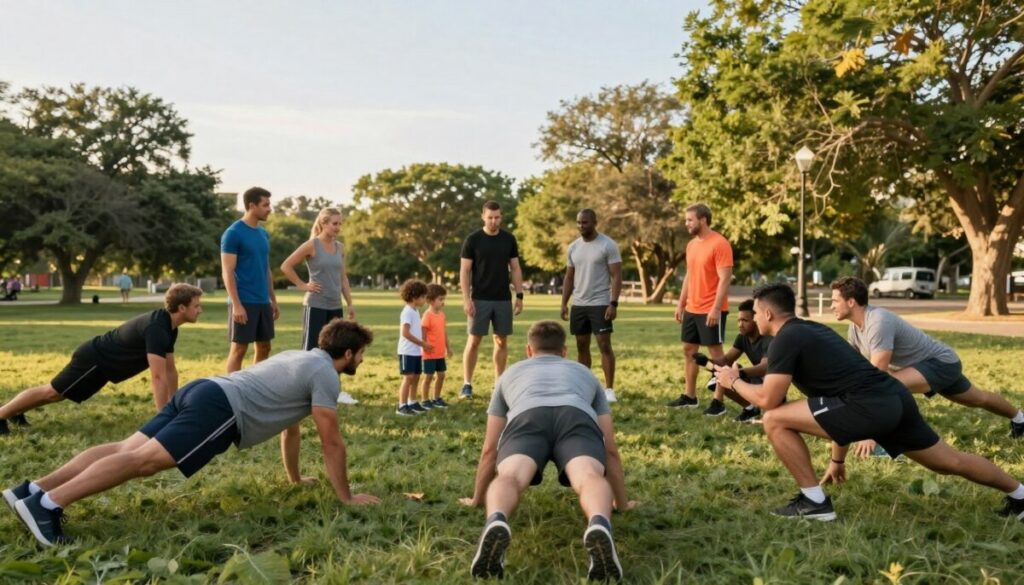
Finding Workout Partners in Similar Life Stages
One of the most effective ways to stay motivated is by finding workout partners who are in similar life stages. This could be fellow dads from your child’s school, neighbors, or friends who have kids around the same age. Working out with someone who understands your schedule and commitments can make the experience more enjoyable and help you stay accountable. For instance, you could join a local recreational sports team or attend a dad-and-baby fitness class.
Online Communities and Resources for Fitness-Minded Fathers
In addition to in-person workout partners, there are numerous online communities and resources available for fitness-minded fathers. Websites, forums, and social media groups dedicated to dad fitness can provide valuable advice, support, and motivation. You can join online challenges, share your progress, and connect with other dads who share your fitness goals. Some popular online resources include fitness blogs, YouTube channels, and mobile apps designed specifically for dads.

Getting Your Partner on Board with Your Fitness Journey
Getting your partner on board with your fitness journey can also be incredibly beneficial.
“Having a supportive partner can enhance your motivation and help you stay on track.”
You can encourage your partner to join you in your workouts or support their own fitness goals. This can help create a healthy and active lifestyle for the whole family, setting a positive example for your children.
Essential Equipment and Resources for Busy Dads
As a busy dad, finding the right equipment and resources for your fitness journey can be a game-changer. It’s not just about having time; it’s about making the most of the time you have. The right tools can help you stay on track, achieve your fitness goals, and set a positive example for your family.
Minimal Home Gym Setups That Deliver Results
Creating a home gym doesn’t require a lot of space or equipment. A minimalist approach can be just as effective. Consider investing in a few key pieces: a pull-up bar, resistance bands, or a compact multi-gym machine. These tools allow for a variety of exercises that can target different muscle groups. For instance, resistance bands are lightweight, portable, and can be used for strength training. A pull-up bar is great for upper body workouts and can be installed in a doorway, making it a space-saving option.
Fitness Apps and Digital Tools Worth Downloading
In today’s digital age, there are numerous fitness apps and digital tools designed to help you stay on track. Apps like Nike Training Club, JEFIT, and MyFitnessPal offer a range of workouts and tracking features that can be customized to your schedule and goals. These apps provide guidance, track your progress, and can be a great motivator. Some apps even allow you to connect with friends or join challenges, adding a social element to your fitness journey.
Workout Gear and Equipment Worth the Investment
While a home gym is convenient, there are certain pieces of workout gear that are worth investing in. A good pair of running shoes, for example, is essential for safety and performance. Comfortable, moisture-wicking clothing can also enhance your workout experience. For strength training, consider investing in a set of dumbbells or kettlebells, which are versatile and can be used for a variety of exercises.
The Long-Term Benefits of Staying Active as a Father
Staying active as a father not only improves our physical health but also enhances our mental well-being and parenting abilities. Regular physical activity is a key component of a healthy lifestyle, offering numerous benefits that extend beyond personal health to positively impact family life.
Physical Health Improvements and Disease Prevention
Engaging in regular physical activity can lead to significant physical health improvements, including weight management, increased strength, and enhanced cardiovascular health. By staying active, dads can reduce their risk of chronic diseases such as diabetes, heart disease, and certain types of cancer.
| Health Benefit | Description |
|---|---|
| Weight Management | Regular exercise helps maintain a healthy weight, reducing the risk of obesity-related health issues. |
| Increased Strength | Strength training exercises improve muscle mass and overall physical strength. |
| Cardiovascular Health | Aerobic exercises enhance heart health, improving circulation and reducing blood pressure. |
Mental Well-being and Stress Management Benefits
Exercise is also a powerful tool for managing stress and improving mental well-being. Physical activity stimulates the production of endorphins, which are natural mood lifters. This can help dads manage the stresses of parenting and daily life more effectively.
Being Present and Active for Your Children’s Future
By prioritizing fitness, dads can ensure they remain active and present for their children’s milestones and future events. Being fit enables fathers to keep up with their kids, participate in activities they enjoy, and be a positive influence on their children’s lifestyle choices.
Conclusion
Embarking on a fitness journey as a dad is a decision that yields benefits for a lifetime. By prioritizing physical activity and adopting a healthy lifestyle, fathers can significantly improve their overall well-being and set a positive example for their children, promoting active parenting.
A consistent fitness routine not only enhances physical health but also contributes to mental well-being, allowing dads to be more present and engaged in family life. The journey involves more than personal health; it’s about creating a culture of wellness within the family.
By incorporating the strategies and tips outlined in this article, dads can navigate their busy schedules more effectively, making time for exercise and healthy habits. The key is to start, be consistent, and involve the family in the process, making fitness a fun, family-oriented experience.
As dads continue on their fitness journey, they will not only see improvements in their health but also inspire their children to adopt a healthy lifestyle, fostering a legacy that benefits generations to come.
FAQ
What are some quick workout routines for busy dads?
Busy dads can benefit from 15-minute HIIT sessions, bodyweight exercises, and lunch break exercise strategies that can be easily incorporated into their daily schedules.
How can dads balance family meals with their fitness goals?
Dads can balance family meals with their fitness goals by implementing meal prep strategies, making healthy choices, and being mindful of protein requirements for active fathers.
What are some age-appropriate activities for kids to get involved in fitness?
Dads can engage their kids in outdoor adventures, competitive and cooperative games, and other activities tailored to their age, from toddlers to teens.
How can dads build a support network for their fitness journey?
Dads can build a support network by finding workout partners, leveraging online communities and resources, and getting their partner on board with their fitness goals.
What are some essential equipment and resources for busy dads?
Busy dads can benefit from minimal home gym setups, fitness apps and digital tools, and workout gear and equipment that can aid in their fitness journey.
How can dads prioritize their mental well-being through fitness?
Regular physical activity can help dads manage stress and mental well-being, leading to overall health improvements and a positive impact on family life.
What are the long-term benefits of staying active as a father?
Staying active as a father can lead to physical health improvements, disease prevention, and a positive influence on children’s future, while also promoting mental well-being.