


Keeping your little one clean and comfortable is a top priority for every parent. The American Academy of Pediatrics (AAP) recommends at least six diaper changes daily to prevent irritation and rashes. With nearly 3,000 diaper swaps in the first year alone, mastering this skill is essential.
This guide simplifies the process with pediatrician-approved techniques from experts like Dr. Gina Posner and Dr. Micah Resnick. Whether you’re a first-time parent or need a refresher, we’ll cover everything from supplies to troubleshooting common issues.
Tools like the Baby Tracker app can help log each change, ensuring consistency. Let’s make diaper duty stress-free and efficient!
Key Takeaways
- Regular swaps prevent discomfort and rashes.
- Parents handle thousands of changes yearly.
- Follow expert methods for best results.
- Tracking apps streamline the routine.
- Proper technique ensures baby’s comfort.
Diaper Changing Essentials: What You’ll Need
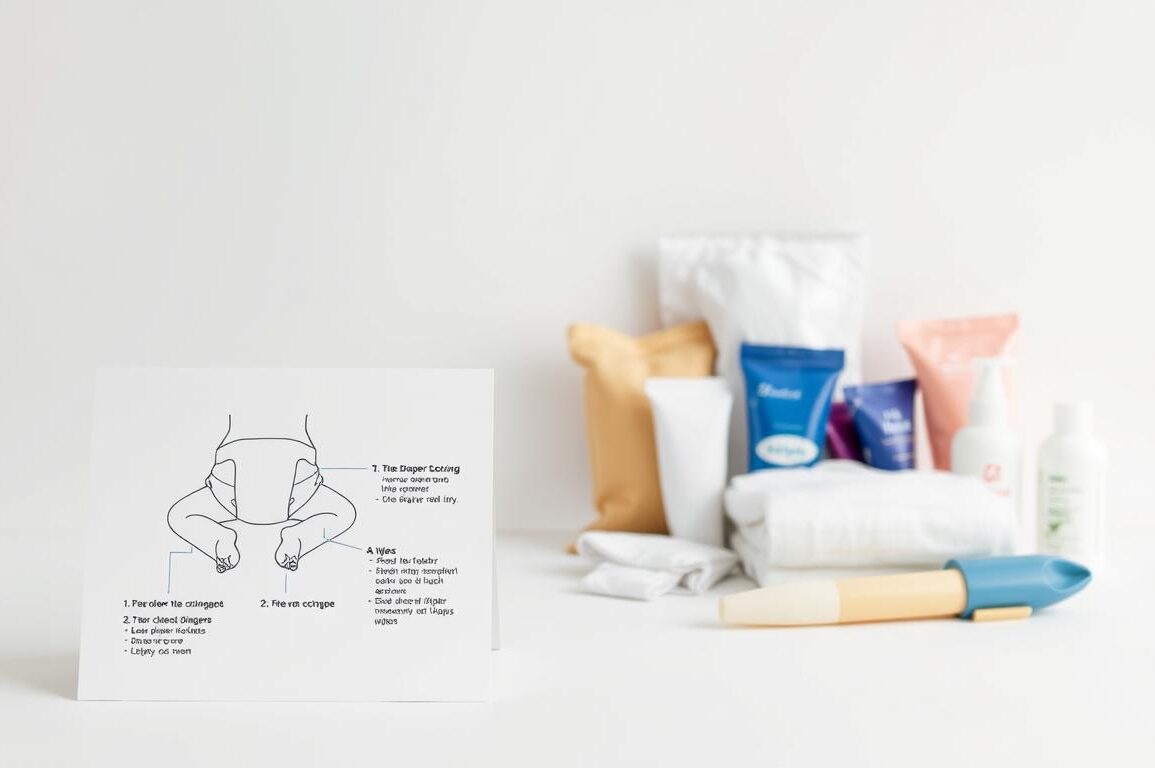
A well-stocked changing station keeps your baby happy and rash-free. Pediatricians emphasize using gentle, hypoallergenic products to protect delicate skin. Here’s what to keep within arm’s reach.
Must-Have Supplies
Fragrance-free wipes are a game-changer, especially for newborns. Dr. Gina Posner recommends pairing them with warm water and cotton balls for extra-sensitive skin. Barrier creams with zinc oxide, like Tubby Todd Sweet Cheeks Paste, help prevent irritation.
Always keep a clean diaper ready—opt for hypoallergenic options if your baby has sensitive skin. A waterproof changing pad protects surfaces, and spare clothes are lifesavers for unexpected messes.
Optional but Helpful Extras
Distraction tools, like a music box or lightweight toy, work wonders for squirmy babies. For cloth diapers users, a diaper sprayer simplifies cleanup. Silicone cream applicators keep hands mess-free.
Eco-friendly swaps like Dyper Simply Kind or OsoCozy diapers reduce waste.
“Hand sanitizer is a backup when soap and water aren’t nearby,”
notes Dr. Posner. Small additions make a big difference in daily routines.
How to Change a Diaper: Step-by-Step Instructions
A smooth routine keeps irritation at bay and babies content. Follow these pediatrician-approved steps for a hassle-free experience.
Prepare a Safe Changing Area
Always use a flat, towel-covered surface. Keep one hand on your baby—even strapped changing tables pose risks.
Gather supplies beforehand: wipes, cream, and a fresh diaper. Try the double diaper hack by placing a clean one under baby before removing the soiled one.
Remove the Soiled Diaper
Unfasten the tabs and fold the dirty diaper inward. Lift baby’s legs gently to slide it away. For messy swaps, use the front half to wipe excess.
“Front-to-back wiping reduces UTI risks for girls,”
Clean Thoroughly
Use fragrance-free wipes or damp cloths. Pat the diaper area dry to prevent moisture buildup. For boys, cover with a wipe during changes to avoid surprises.
Secure the Fresh Diaper
Center the clean diaper under baby’s hips. Fasten the tabs snugly—check for gaps near the legs. Red marks mean it’s too tight.
| Step | Tip |
|---|---|
| Prepping | Use waterproof pads for easy cleanup |
| Cleaning | Zinc oxide cream for rash-prone skin |
| Fastening | Align tabs symmetrically for comfort |
With practice, diaper changes become second nature. Stay patient and celebrate small wins!
Special Considerations for Newborns
Newborns require extra care during diaper swaps to protect their delicate skin. Their tiny bodies need gentle handling, especially around the umbilical cord area.
Handling the Umbilical Cord Stump
Keep the stump dry and clean. Fold the diaper below it or use newborn sizes with cutouts. Avoid covering it to prevent irritation.
*Water wipes* are ideal for the first month. The AAP warns against talc-based powders, which can harm sensitive skin.
Gentle Cleaning for Delicate Skin
Meconium, a newborn’s first stool, can be sticky. A dab of coconut oil eases cleanup. Pat the skin dry—never rub.
“Over-cleaning can strip natural oils. Use fragrance-free wipes like Honest Company’s,”
- Opt for hypoallergenic wipes to reduce redness.
- Check for redness or swelling near the cord stump.
- Change diapers promptly to avoid moisture buildup.
Tips for Changing Boys vs. Girls
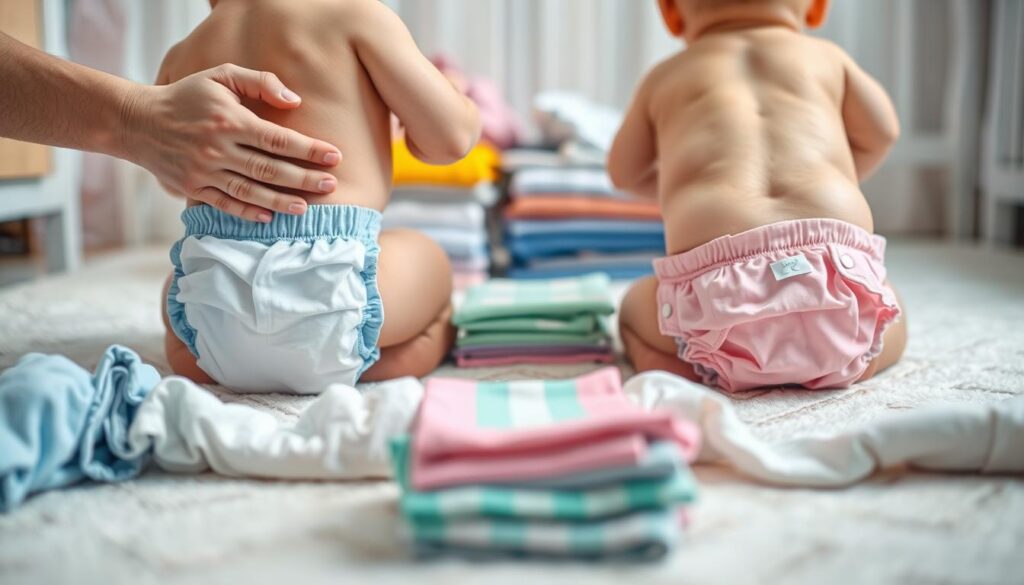
Parents quickly learn that boys and girls require slightly different techniques during diaper swaps. Small adjustments ensure comfort, hygiene, and fewer surprises.
Preventing Accidents with Boys
Boys are notorious for unexpected sprays during changes. Cover the diaper area with a clean cloth or wipe to avoid messes. Huggies Little Snugglers offer extra front padding for added protection.
For circumcised boys, Dr. Resnick advises:
“Gently retract the foreskin only as far as comfortable during cleaning. Never force it.”
Front-to-Back Wiping for Girls
Always wipe girls from front to back to prevent bacteria from spreading. Pay attention to labia folds, where moisture can hide. The “wipe, then fan-dry” method keeps the area irritation-free.
- Use fragrance-free wipes like Millie Moon for sensitive skin.
- Check for redness or gaps near the legs after fastening.
- Opt for blowout-proof designs for active babies.
With these tweaks, every baby stays dry and happy!
Diaper Rash Prevention and Care
Diaper rash can be a common but frustrating issue for parents. Red, irritated skin often stems from moisture, friction, or sensitivity. With the right routine, most rashes are preventable—and treatable.
Choosing the Right Diaper Cream
Not all creams work equally well. For mild irritation, *petroleum jelly* creates a protective barrier. For stubborn diaper rash, opt for *zinc oxide* formulas like Desitin or Bordeaux’s Butt Paste.
Tubby Todd is ideal for daily use, while thicker pastes tackle severe redness. Always apply a thin layer to clean, dry skin.
When to Call the Pediatrician
Most rashes improve within 3–4 days. Seek help if you notice:
- Blisters, pus, or open sores (signs of infection).
- Fever alongside the rash.
- No improvement after a week of treatment.
“Persistent rashes may need prescription-strength creams,”
For relief, try 10-minute diaper-free time daily. Swap wipes for a soft washcloth during flare-ups. A little extra care keeps your baby comfortable!
Choosing the Best Diapers and Wipes
Finding the right diapers and wipes can make all the difference for your baby’s comfort. The right products prevent irritation, reduce waste, and simplify your routine. Here’s how to navigate the options.
Disposable vs. Cloth Diapers
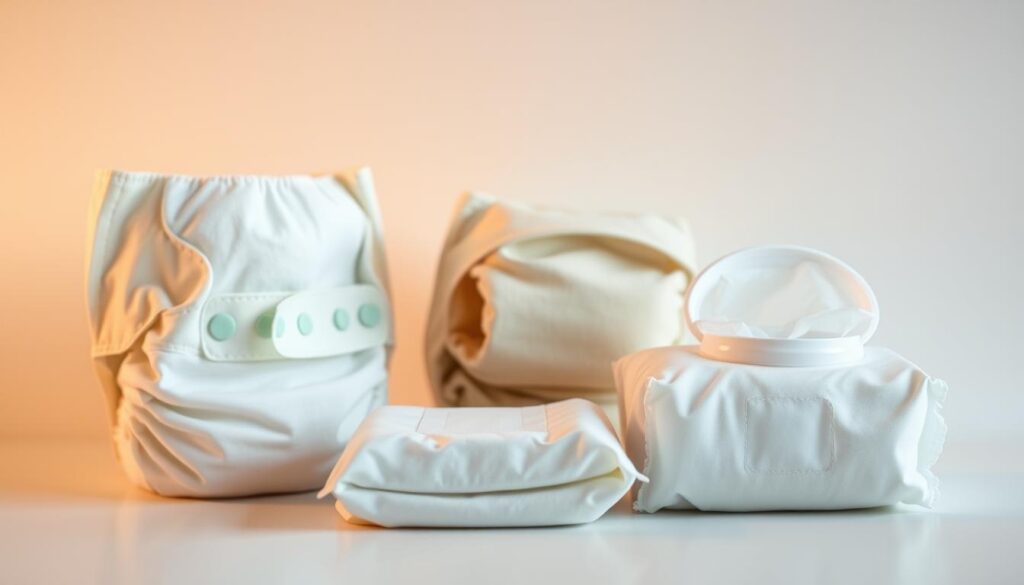
Cloth diapers are eco-friendly but require waterproof wraps and frequent washing. Brands like Charlie Banana offer adjustable fits for growing babies. Disposable diapers, like Kirkland Signature, are convenient for sensitive skin.
Consider cost and environmental impact:
- Cloth diapers: Higher upfront cost but reusable.
- Disposable diapers: Budget-friendly but generate more waste.
Top-Rated Products for Sensitive Skin
For delicate skin, opt for fragrance-free wipes like Water Wipes or Huggies Natural Care. The AAP warns against alcohol-based formulas, which can dry out baby’s skin.
Top picks:

- Coterie: Eco-friendly and ultra-absorbent.
- Pampers Pure: Hypoallergenic with plant-based materials.
- Honest Company Clean Conscious: Ideal for eczema-prone babies.
“Always patch-test new products to check for reactions,”
With the right choices, diaper changes become gentler and greener!
Making Diaper Changes Easier
Diaper duty doesn’t have to be a battle—simple tricks keep babies calm and parents stress-free. Whether you’re dealing with a squirmy toddler or midnight swaps, these hacks streamline the process.
Distraction Techniques for Squirmy Babies
Active babies need creative solutions. Try standing changes with Pampers 360 training pants for toddlers. Keep one hand on your little one while using the other to wipe.
Distraction tools work wonders:
- Electric toothbrushes or light-up toys hold attention.
- Sing a favorite song or narrate the steps (“First wipe, then cream!”).
- Place a changing pad on the floor for wiggle room.
Nighttime Diaper Changing Hacks
Minimize disruptions during late-night swaps. Size up diapers and add Sposie inserts for extra absorption. Blackout curtains and quiet, pre-moistened wipes help babies drift back to sleep.
Pro tips:
- Use glow-in-the-dark cream applicators in low light.
- Pack a travel bag with essentials near the crib.
- Skip full outfit changes—opt for zip-up sleepers.
“Standing changes save time and reduce tantrums for active toddlers.”
With these tweaks, even the trickiest diaper changes become manageable!
Conclusion
With the right approach, diaper duty becomes quick and stress-free. Focus on safety, front-to-back wiping, and rash prevention to keep your little one comfortable.
Trusted products like Millie Moon wipes or Coterie diapers make a difference. If redness persists, consult your pediatrician—parents’ instincts matter.
Remember, practice makes perfect. Soon, you’ll handle every change with confidence. Your baby’s comfort is worth it!
FAQ
What supplies are essential for diaper changes?
You’ll need fresh diapers, baby wipes, a changing pad, diaper rash cream, and a clean set of clothes. Keep a small trash bag handy for disposal.
How often should newborns get a fresh diaper?
Newborns need changes every 2–3 hours or immediately after they soil their diaper. Frequent swaps help prevent irritation and rashes.
What’s the best way to clean a baby’s bottom?
Use fragrance-free wipes or a damp washcloth. Wipe gently from front to back, especially for girls, to avoid infections. Pat dry before securing the new diaper.
How can I prevent diaper rash?
Change diapers promptly, let the skin air-dry, and apply a zinc-based cream. Avoid tight diapers and opt for breathable fabrics like cotton.
Are cloth or disposable diapers better?
Cloth diapers are eco-friendly but require washing. Disposable options are convenient and absorbent. Choose based on your lifestyle and baby’s skin needs.
How do I handle diaper changes at night?
Use overnight diapers for extra absorption. Keep lights dim and avoid overstimulating your baby to help them fall back asleep quickly.
What if my baby squirms during changes?
Distract them with a toy or sing a song. A mobile above the changing table can also keep their attention while you work.
When should I call the pediatrician about diaper rash?
Contact your doctor if the rash lasts more than 3 days, has blisters, or if your baby develops a fever. Severe redness or bleeding also needs medical attention.